When Mama’s Gone: Grieving a Complicated Loss as a Black Man (Dr. Ufondu’s Personal Reflection)
By Dr. Ifeanyi Ufondu, Clinical Psychologist — BroKin.org
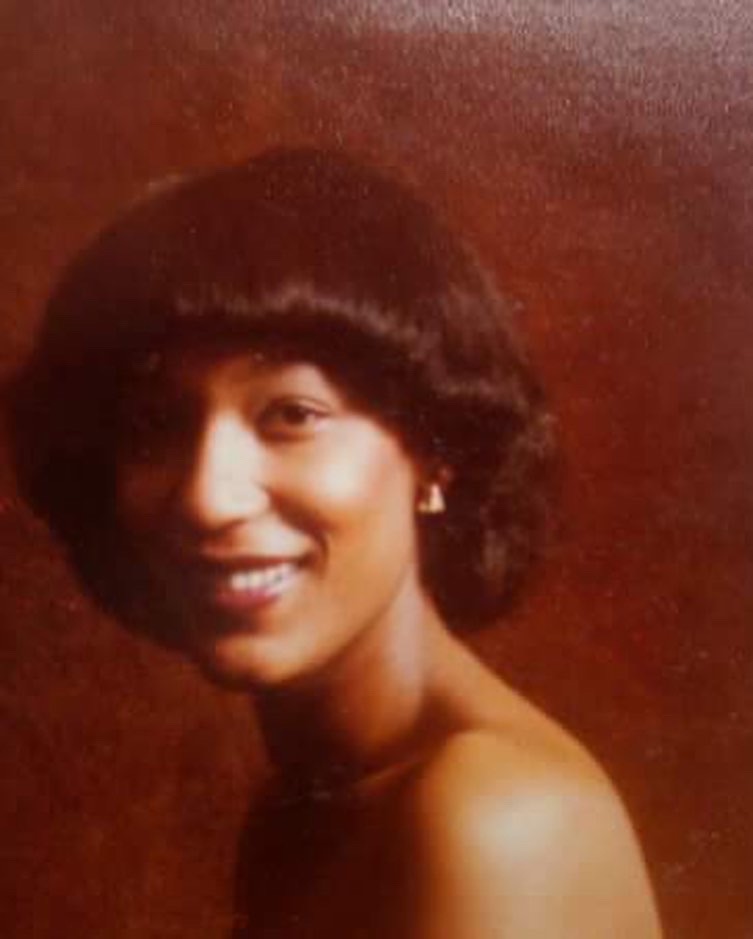
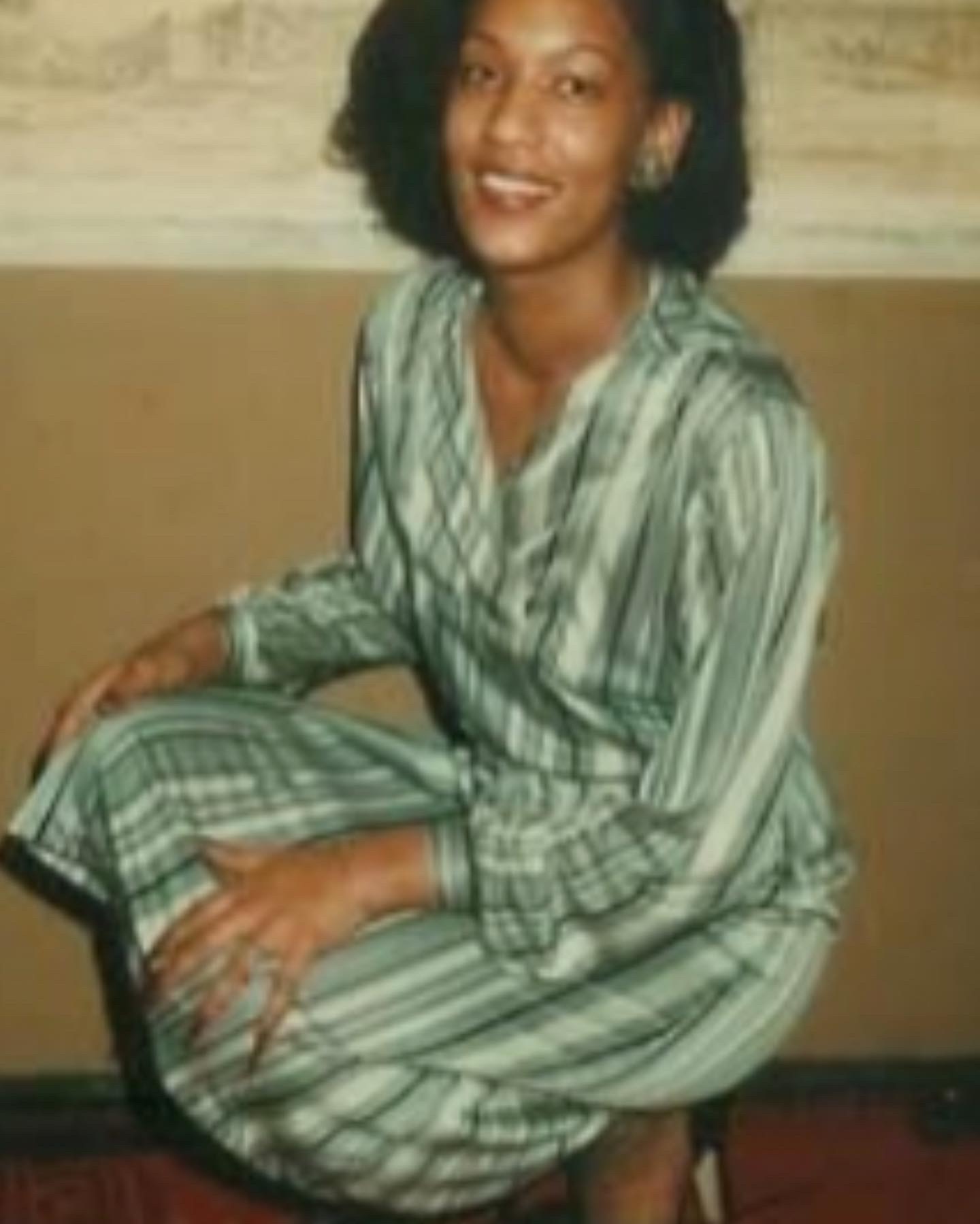
I lost my mother in 2018.
She battled a 40-year addiction to crack cocaine and alcohol — a war I witnessed first-hand as her son… and later, as a psychologist who understood the pain beneath it. Even with all her faults, I can say without hesitation: she was the greatest woman I’ve ever known.
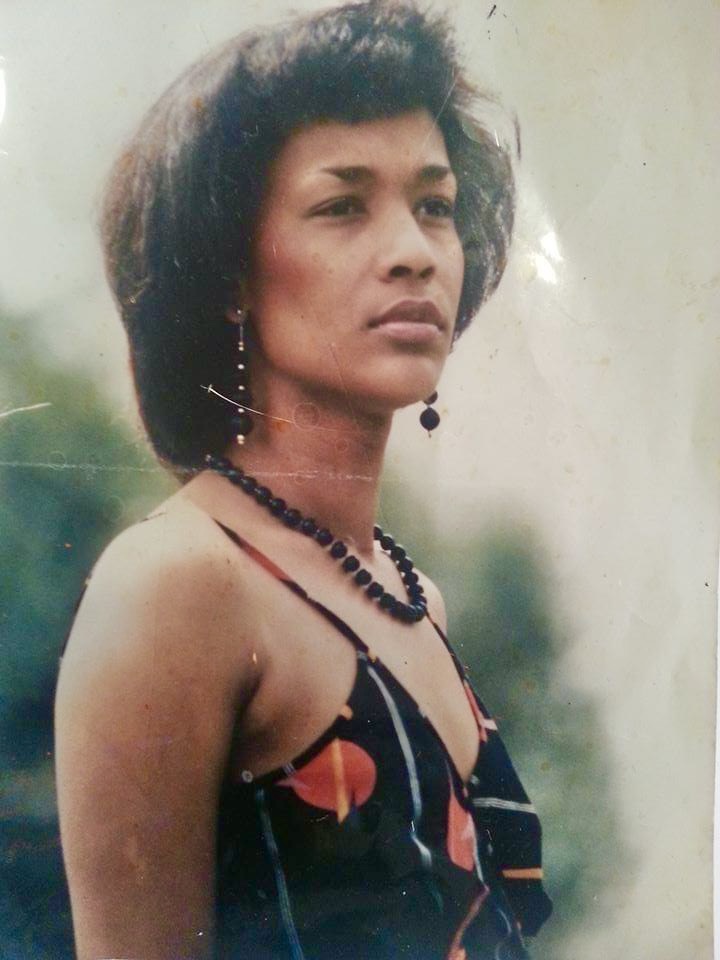
She was compassionate. Warm. Giving. She had a light that would fill rooms, and a love that, at times, felt like it could heal the world.
And yet… that same woman could also be demeaning, verbally abusive, emotionally violent with her words. She tore me down in ways that left scars deep inside the little boy in me. Not because she was evil — but because she, too, was broken. She had been sexually, emotionally, and physically abused by her own parents — an African-American mother and a Mexican father — and endured unspeakable incest trauma that she carried her entire life. That pain became her addiction. That addiction became our trauma.
She passed that trauma down to her four children: Ifeanyi, Jenai, Johnny, and Emmanuel.
So when she died in 2018, I wasn’t just grieving a beautiful soul — I was grieving my protector and my perpetrator, my healer and my hurter, my mother and my pain.
The Duality of Her Legacy
As Black men, we’re rarely allowed to talk about that complexity. How can I say: “My mother hurt me… but I still love her more than life itself”? How do I honor her legacy while also being honest about the damage? How do I tell the world that my mother was both a victim of unspeakable abuse and a vessel of generational trauma?
That duality is real:
-
I love her for her warmth… I resent her for her rage.
-
I honor her sacrifices… I still feel wounded by her words.
-
I understand her addiction… but I still live with what it did to us.
Grieving her meant confronting all of that — the joy, the shame, the pride, the pain.
The Grief That Never Fully Leaves
When a Black man loses his mother — even after decades of trauma — the pain is unmatched. Because she’s the origin. The first voice. The first heartbeat. The first model of love… even if it was dysfunctional love. When she’s gone, a part of us breaks off.
And when that love was tainted by addiction, abuse, and trauma… the grief becomes ten times more complicated.
I cried. Not just for losing her — but for losing the version of her that I always wished existed. For the sober mother. The healed mother. The mother who never had to turn to crack just to numb her childhood violations. I mourned the mother who could have been, and the son I could have been if her trauma never reached us.
To My Brothers Reading This…
You may have lost a mother who was wonderful. Or you may have lost a mother who hurt you deeply. Or maybe both — in the same woman.
Let me tell you from personal experience and professional expertise:
You’re allowed to honor her and still acknowledge your trauma. You’re allowed to grieve her and still feel angry. You’re allowed to remember her smile and still remember how she broke you. That’s not disloyal — that’s honest healing.
The Healing Process (What I Had to Do)
In my own journey of grieving my mother and breaking generational cycles, here’s what helped me:
-
I told the truth, even when it hurt. In therapy. In writing. Even in church. I stopped protecting her legacy at the expense of my sanity.
-
I forgave her, not to excuse her, but to free myself.
-
I looked at her addictions through the lens of trauma, not just criminality or shame.
-
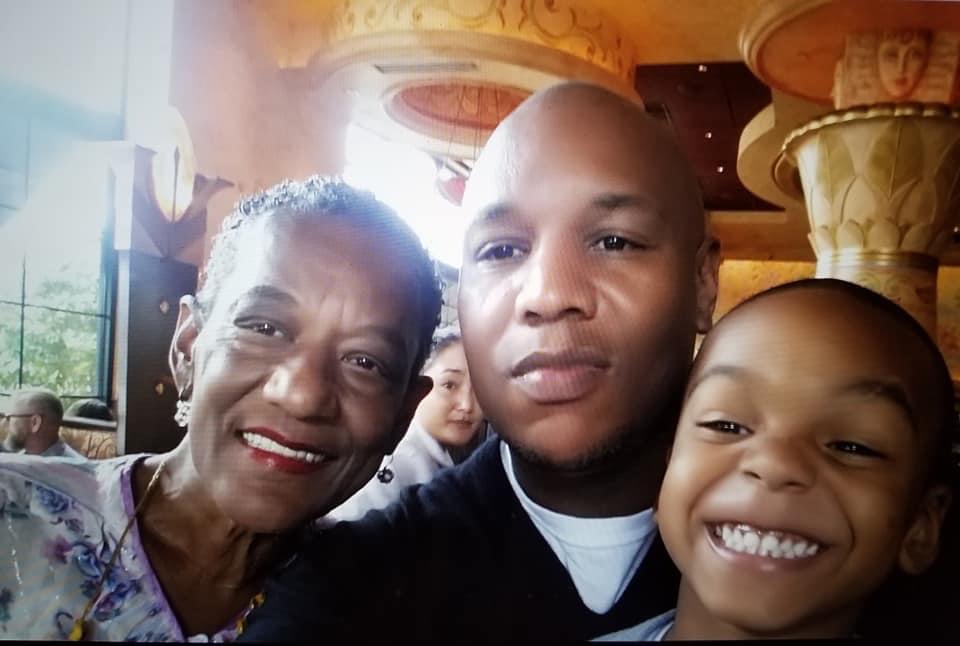
I continued the work of breaking the cycle for my own children — so that what started with her pain will end with my healing.
You Deserve to Heal
If you are a Black man struggling with the loss of your mother — especially if addiction, abuse, or trauma were involved — you’re not alone. I know this pain intimately.
That’s why platforms like BroKin.org exist. Because too many of us are grieving in silence, carrying shame that isn’t ours, hiding the truth of what really happened inside those four walls growing up.
But healing is possible. Even when Mama’s gone.
You can choose to honor her by becoming everything she wasn’t allowed to be — free, healed, emotionally whole. That is how we break curses. That is how we turn trauma into testimony.
Final Word: For Mama
I love you, Mama. Even through the drugs and the darkness. You were still my light. And I forgive you — because I know the demons you fought were bigger than all of us. Rest now. Your son is still standing.
To every brother reading this: I see you. I am you. And BroKin.org is here for you. Let’s heal — for Mama, for ourselves, and for the next generation.