EX-NFL Star Rudy Johnson, Formerly of the Cincinnati Bengals, Dies by Suicide Due to CTE and Long-Term Mental Health Struggles
As one of the nation’s leading clinical psychologists specializing in the mental health of professional athletes, actors, and entertainers over the past twenty years, I’ve seen firsthand how the spotlight can magnify both triumph and trauma. My ability to blend savvy intuition, street smarts, a deep fashion influence, industry connections, and a sports family legacy has uniquely positioned me to connect with young athletes—particularly inner-city players of color who see themselves reflected in me. My celebrity clientele stretches from top-50 NBA and NFL players, to rappers, recording artists, and even Academy Award–winning actors. But beyond the glitz, the recurring reality I’ve witnessed is the silent suffering of high-profile athletes when the cameras fade.
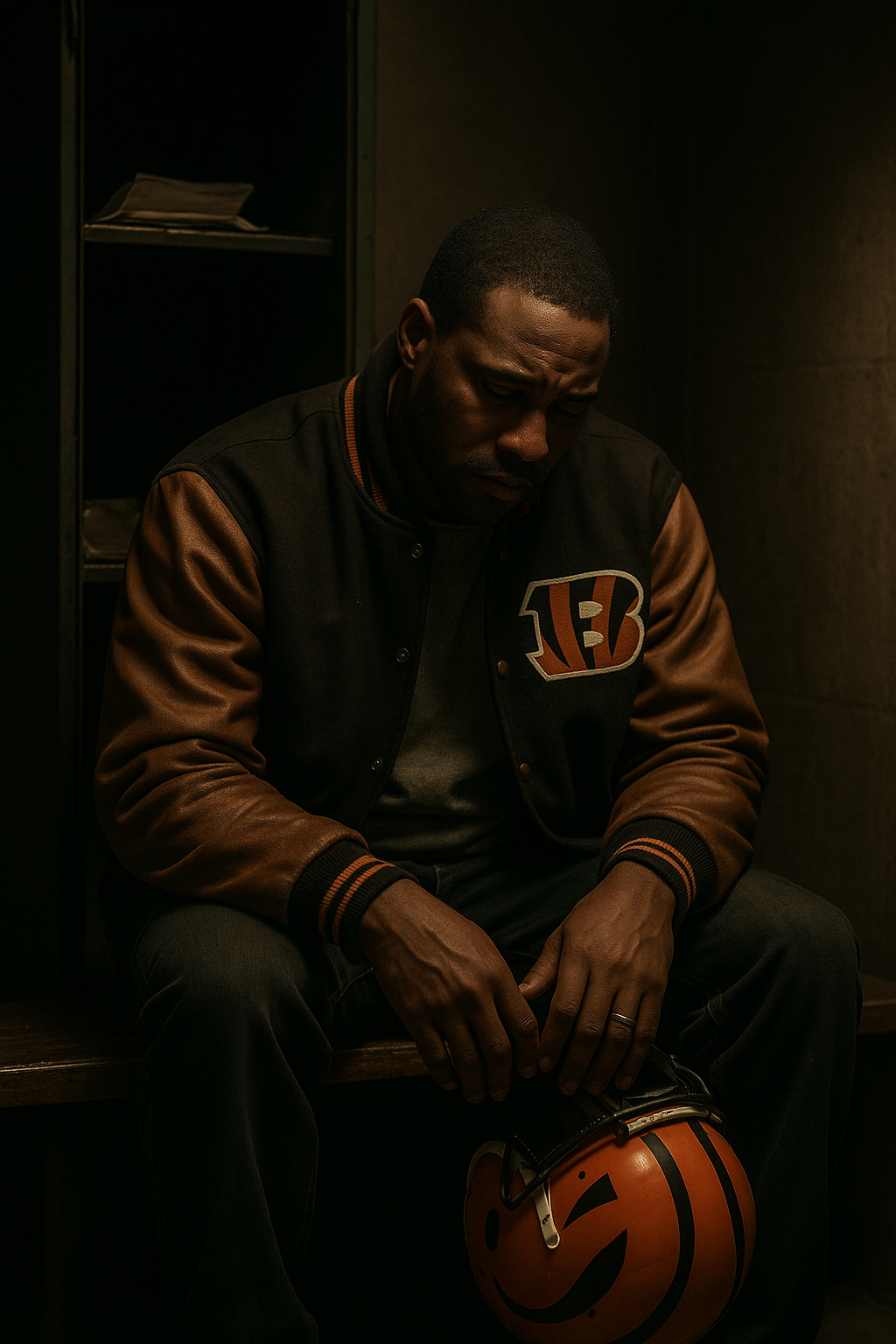
The recent death of former Cincinnati Bengals running back Rudy Johnson, who tragically died by suicide after years of battling the effects of CTE (chronic traumatic encephalopathy), highlights the urgent crisis at hand. His passing is not an isolated event—it reflects a troubling pattern across professional sports. Without culturally competent therapy, adequate mental health resources, or systems of accountability, too many athletes find themselves spiraling into domestic violence, felonious crimes, drug use, and tragically, suicide.
The Weight of Pre-Professional Pressure
For many athletes, mental health struggles begin long before they ever sign a professional contract. Inner-city athletes often grow up facing poverty, unstable family systems, exposure to crime, and overwhelming expectations from their communities. Sports become their escape and pathway out—but with that opportunity comes enormous pressure. I’ve sat across from countless young athletes who feel as though their entire neighborhood is banking on them “making it.” That pressure, combined with trauma and limited emotional support, plants seeds of unresolved pain long before their professional careers.
Life Under the Bright Lights
Once they step onto the professional stage—whether in the NFL, NBA, WNBA, international soccer, rugby, or bodybuilding—the grind intensifies. Fame, fortune, and performance expectations collide with physical injury, constant public scrutiny, and the internalized weight of being a cultural role model. Athletes of color in particular often shoulder not only the burden of performance, but also the expectation to “represent” their race, neighborhood, and community.
We’ve seen this pattern with NFL legends like Junior Seau and Aaron Hernandez, whose stories ended tragically in part due to undiagnosed or untreated CTE. In the NBA, former players like Delonte West became public examples of what happens when fame and fortune collapse without a safety net of therapy and care. WNBA athletes, though often paid far less than their male counterparts, still face the same mental strain—navigating grueling schedules, injuries, and the crushing pressure to maintain their image while carrying financial responsibilities for their families. Rugby and soccer stars globally, such as Jarryd Hayne or Diego Maradona, have faced similar struggles—where head trauma, cultural pressures, and lack of post-career support led to devastating consequences. Even professional bodybuilders, whose careers center around physical discipline and appearance, often collapse under the weight of performance-enhancing drug use, depression, and financial instability once the competition ends.
After the Final Whistle
The darkest season of an athlete’s life often begins once the professional career ends. For some, the millions earned are quickly lost due to financial mismanagement, exploitation, or simply the costs of maintaining a celebrity lifestyle. Without the structure of daily training, team identity, and fan adoration, retired athletes often experience crushing isolation. The loss of fame—once addictive—can be psychologically devastating. This is when unresolved trauma resurfaces.
Without intervention, some athletes turn to drugs, alcohol, crime, or abusive behaviors to cope. For others, like Rudy Johnson, the battle with CTE intensifies the hopelessness, leading them to see suicide as their only way out.
The Path Forward: BroKin.Org Solutions
At BroKin.Org, we specialize in addressing these realities with culturally competent, preventive, and ongoing care for athletes of color. Our approach acknowledges the unique cultural, social, and historical pressures athletes face. We don’t just focus on the player—we focus on the man or woman behind the jersey, behind the fame, behind the paycheck.
With over two decades of clinical practice and lived experience, I’ve developed strategies that resonate with inner-city athletes of color in a way that traditional therapy often cannot. From locker rooms to Hollywood sets, I’ve walked alongside some of the biggest names in sports and entertainment, helping them confront trauma, manage fame, and prepare for life after the game.
The solution must be proactive, not reactive:
-
Mandatory Mental Health Counseling for players at all levels, from high school to professional.
-
CTE Education & Screenings to identify neurological risks early.
-
Financial & Identity Coaching to prepare athletes for life after sports.
-
Culturally Competent Therapists who understand the lived experiences of athletes of color.
-
Community Healing Models that involve families, teammates, and hometowns in the mental health journey.
Rudy Johnson’s death should not be in vain. It is a rallying cry for leagues, teams, and communities to recognize that athletes are more than entertainers—they are human beings with layered struggles. Their lives after the game deserve as much investment and care as their careers on the field or court.
At BroKin.Org, our mission is clear: to provide mental health solutions for men of color that honor their humanity, heal their trauma, and prepare them for a future beyond the applause.
👉 Dr. Ifeanyi Ufondu, Clinical Psychologist and founder of BroKin.Org, is one of the nation’s leading specialists in mental health for athletes, entertainers, and men of color. With two decades of experience and a celebrity clientele list that spans NBA champions, NFL stars, rap icons, and award-winning actors, Dr. Ufondu brings a unique, culturally competent approach that blends industry insight, fashion influence, and community roots to help clients achieve true healing.